

Muscle pain: what to do and what not to do

In this blog, we discuss acute and delayed muscle pain.
There are many forms of muscle pain that one can experience during or after exercising, doing DIY work, or heavy lifting.
Were you too zealous at the gym or too active lifting heavy weights? Chances are you will experience sore muscles in the coming days.
This type of pain is caused by regular overuse of your muscles and can lead to injuries.
Do you want to know what to do or not do for muscle pain? Keep reading.
Table of contents
- What is muscle pain?
- 3 tips to reduce or prevent muscle pain in the body
- How does muscle pain develop?
- Acute muscle pain
- Muscle pain resulting from bruises and tears
- Muscle pain due to trauma
- Delayed muscle soreness
-
How do you treat muscle pain?
- Tips for reducing or preventing muscle pain
- Exercise or play sports regularly, but know when to take a break.
- Eat a healthy and balanced diet
- Stay hydrated
- Listen to your body
- Read more about breakthrough in muscle & joint complaints
- Read more about cramps in the calf muscles
- Read more about muscle cream for sore and tired feet
- What should you do if you have muscle pain?
- What is the cause of muscle pain throughout the body?
- Is magnesium good for sore muscles?
- Can Arnica massage oil be used for muscle pain?
- Which deficiencies can also cause muscle pain?
- How do you know if you have polymyalgia rheumatica?
What is muscle pain?
Muscle pain is caused by an accumulation of metabolic waste products, particularly lactate, in the body. This leads to pain, cramps, and a stiff feeling. Several types of muscle pain can be distinguished:
-
Acute muscle pain : You experience this pain during exercise, such as your legs burning. It is essential not to train too intensely and to respect your body's limits to avoid muscle pain and injuries.
-
Muscle pain due to trauma : This type of muscle pain is the result of an injury and requires you to stop exercising and rest. If the pain persists, consult a doctor or physiotherapist.
- Delayed onset muscle soreness : This muscle pain usually manifests after 24 hours and can last from a few days to a week, with the worst pain after 48 hours.
3 tips to reduce or prevent muscle pain in the body
-
Warm-up and cool-down : Always start your training with a good warm-up and finish with a cool-down. This helps your muscles gradually transition from rest to activity and back again.
-
Regular exercise and rest : Exercise regularly without overstraining your muscles. Allow your muscles the necessary recovery time after muscle pain, approximately 48 to 72 hours.
- Warm shower or bath : A warm shower or bath after exercising can help relieve muscle pain. A massage can also promote blood circulation in the muscles and thus reduce the pain faster.

How does muscle pain develop?
Muscle pain often occurs after intense physical activity. This pain usually arises as a result of minor damage to muscle and connective tissue during exertion. When training is too strenuous and muscles become overloaded, this manifests as small muscle tears that lead to pain or even inflammation. This is the result of the accumulation of waste products in the muscles, particularly lactic acid. Lactic acid is a byproduct of anaerobic metabolism that is accompanied by muscle pain. This causes uncomfortable cramps and stiffness.
Acute muscle pain
This, also known as acute muscle tension or twitching, is a common condition. This muscle pain occurs when there is overstretching or tearing of the muscle fibers as a result of sudden excessive physical activity. This can happen during sports or heavy physical exertion, such as lifting heavy objects. The acute muscle pain you experience is sharp and very intense. In some cases of acute muscle pain, swelling or bruising may also occur. It is advised to get more rest and avoid putting extra strain on the affected muscle so that it can recover properly. Applying ice packs and using sports arnica massage oil to gently massage the skin can provide relief. If this acute muscle pain persists or worsens, it is advised to consult a doctor.

Muscle pain resulting from bruises and tears
This type of muscle pain is caused by muscle damage resulting from an accident. When you bruise a muscle, the blood vessels tear, causing discoloration and tenderness. If this happens, it is essential to stop exercising and rest. Resting the injured muscle is essential to prevent further damage and allow the healing process to take place. Additionally, gentle stretching and low-impact exercises can help improve flexibility and strengthen the surrounding muscles. If the symptoms persist, consult a physiotherapist and use a menthol-based muscle cream to cool the area and improve blood circulation.
Muscle pain due to trauma
Muscle pain due to trauma, also known as traumatic muscle pain, is pain that
It arises as a result of an injury or damage to the muscles. This can be the result of an accident, such as a fall, a blow, or a car accident. The pain can occur immediately after the trauma, but sometimes only after a few days.

In the case of muscle pain caused by trauma, it is important to rest and the affected
to relieve the muscle group. Cold compresses or ice packs can help to the
to reduce swelling and pain. In some cases, medication such as paracetamol may be necessary for
pain relief. If the pain persists or is severe, it is advisable to seek medical advice.
to win, because there may be a more serious injury such as
a muscle tear or bruise.
Delayed muscle soreness
We also refer to delayed onset muscle soreness. This usually occurs within 24-72 hours after intense physical activity. Delayed onset muscle soreness is characterized by muscle stiffness, tenderness, and discomfort.
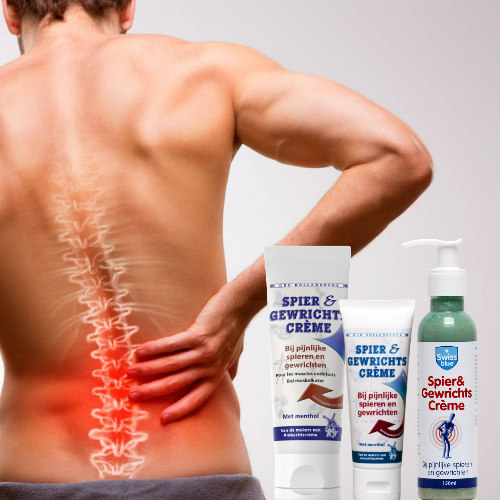
It is believed that this is caused by microscopic damage to the muscle fibers and the resulting inflammation and swelling that occurs during the healing process. This can last for a few days, but even weeks. What you can do to prevent this phenomenon is: proper warm-ups, cool-downs, and gradually increasing the intensity or duration of your workouts can help minimize the severity of delayed onset muscle soreness.
How do you treat muscle pain?
It is important to know how you how best to treat muscle pain.
One of the most important techniques to treat this is the good old RICE technology, That stands for Rest, Ice, Compression, and Elevation.
Tips for reducing or preventing muscle pain
Warm-up before exercising and a cool-down after exercising.
Whether you go to the gym or go for a run on your own, always start with a good warm-up and take the time to do a cool-down after exercising.
This is of crucial importance because it helps to loosen your muscles and makes it easy for your body to create a resting and active state. Cool-downs are just as important because they give your body the chance to cool down and return your muscles to their resting state. The Oud Hollandsche Muscle & Joint Cream is highly suitable for use as a cool-down and promotes blood circulation and reduces muscle pain.
Exercise or play sports regularly, but know when to take a break.
Regular muscle training is great for staying in shape, but don't overdo it. If you experience muscle soreness, it is important to give your muscles temporary rest and take a break to recover.

Eat a healthy and balanced diet
A balanced diet can help prevent muscle pain by providing your body with the necessary nutrients for muscle recovery.
Stay hydrated
Drinking enough water is essential for your overall health, but especially when it comes to preventing muscle pain. Dehydration can lead to muscle cramps and tension, so make sure you stay hydrated throughout the day.
Listen to your body
Finally, always listen to your body and do not push yourself too hard. Your body knows when it is time to take a break to prevent muscle pain and injuries. With these tips in mind, you can take optimal care of your muscles and prevent future pain and injuries. Remember to always prioritize your health and cherish it.
Do you have any more tips for treating muscle pain?
Click here to add your tip
Read more breakthrough in muscle & joint complaints
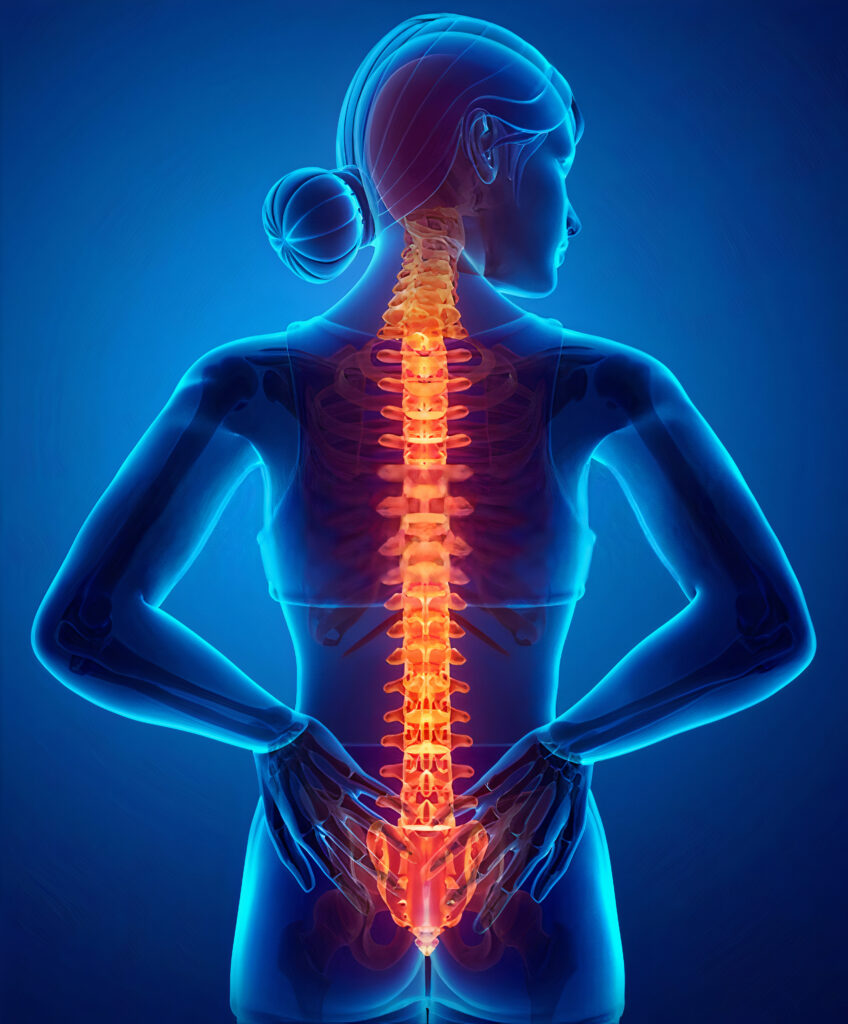
Read more cramps in the calf muscles

Read more Muscle cream for sore and tired feet
What should you do if you have muscle pain?
Make sure you get enough rest, take a nice warm shower or a warm bath.
A diet rich in protein and less stress lead to faster muscle recovery.
What is the cause of muscle pain throughout the body?
Possible causes can be injuries, sports trauma, an accident, or sedentary work with poor posture. Lifestyle diseases such as osteoarthritis, rheumatism, and fibromyalgia can also be the cause.
Is magnesium good for sore muscles?
Magnesium is certainly good to use for muscle pain because it contributes to normal muscle function and the maintenance of supple muscles. The brand LivingGreens has 3 different packaging options in its assortment.
Can Arnica massage oil be used for muscle pain?
It is beneficial to use an arnica-based massage oil because it promotes blood circulation in sore muscles, thereby fostering faster recovery. Ambachtskroon Arnica massage oil is also widely used as a warm-up and cool-down before and after exercising.
Which deficiencies can also cause muscle pain?
When you do not eat a healthy diet and do not get enough vitamins and minerals such as vitamins B, C, D, and E, these influence the prevention and reduction of muscle pain and ensure optimal muscle function. A comprehensive multivitamin product is the LivingGreens multivitamins & minerals with antioxidants.
How do you know if you have polymyalgia rheumatica?
The symptoms of polymyalgia rheumatica are sudden stiffness and pain in the hips, shoulders, and neck. The pain often occurs on both sides of the body and is most noticeable at night and in the morning. If you are unsure, contact your GP, as they can make a proper diagnosis.


