

Cramps in the calf muscles

Causes, prevention, and solutions for rapid relief
Calf muscle cramps can be a frustrating experience and often strike at the most inconvenient times.
The pain shoots through your calves as you lie in bed sleeping. Or perhaps a cramp creeps in after an intense workout session. It can be irritating, but in many cases, it is avoidable.
Table of contents
- Insufficient hydration is a known culprit.
- Muscles are sensitive to caffeinated drinks.
- Excessive physical exercise can also be a factor.
-
What can you do to prevent calf cramps?
- Stretching exercises as prevention
- Dietary adjustments to prevent calf cramps
- What causes calf cramps?
- How can I get rid of my calf cramp?
- What is often lacking, causing calf cramps?
- Why do I have cramps in my calves and legs, especially at night?
- Which medicines can cause calf and leg cramps?
- Can cramps be dangerous for you?
Whether you are an athlete, a fitness enthusiast, or simply someone who occasionally suffers from these cramps, understanding their causes and finding effective remedies is essential for relief and prevention.
In this extensive blog post, we will unravel the mystery behind calf cramps.
We are going to investigate the various factors that contribute to its formation.
From muscle fatigue and dehydration to disrupted electrolyte balance and poor blood circulation, we will delve into the root causes of these cramps.

What are the main causes of calf cramps? For your convenience, we have compiled a list:
Insufficient hydration is a known culprit.
Dehydration and electrolyte imbalance, such as low potassium, magnesium, or calcium levels, can also contribute to calf cramps. In some cases, underlying medical conditions, such as nerve damage or circulatory problems, can be responsible for recurring calf cramps.

Identifying the cause of your calf cramps is crucial for developing a targeted approach to prevention and relief.
By gaining insight into the specific triggers that lead to your cramps, you can take proactive measures to address them effectively.
Muscles are sensitive to caffeinated drinks.
If you drink multiple cups of coffee, cola, black tea, or other energy drinks throughout the day, you may wake up at night due to calf muscle pain. Caffeine can be a major cause, although people are often unaware of it. “Excessive caffeine consumption is one of the main causes of calf cramps.”
Excessive physical exercise can also be a factor.
Calf pain is not caused by just one factor. Deficiencies in magnesium, iron, or calcium, for example, are also recognized reasons. Do you need to consistently take supplements to prevent temporary calf cramps? Magnesium citrate The compound is used preventively with great success to prevent calf cramps. Should that not be sufficient, you can consult your doctor or sports physician.

What can you do to prevent calf cramps?
Stretching exercises as prevention
Stretching exercises can be incredibly helpful in relieving and preventing calf cramps. When it comes to muscle cramps, prevention is essential, and regular stretching can significantly reduce the chance of painful calf cramps.
An effective stretching exercise for calf cramps is the calf stretch. To perform this exercise, stand against the wall with your hands for support. Take a step back with one foot and lean forward, keeping your back leg straight and your heel firmly on the ground. You should feel a slight stretch in your calf muscle. Hold this position for about 30 seconds and then switch legs.
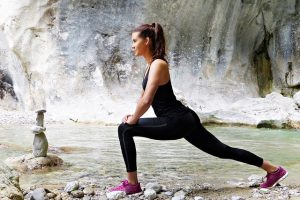
Another useful stretch is the downward dog pose. Start on your hands and knees, then lift your hips toward the ceiling and press your heels toward the ground. This position stretches not only your calves but also your hamstrings and lower back. Hold this pose for 30 seconds to a minute.
Additionally, seated calf stretches can also provide relief. Sit on the floor with your legs extended in front of you, and place a towel or resistance band around the ball of your foot.
Gently pull the towel or band towards you while feeling the stretch in your calf muscle.
Remember to take a deep breath and hold the stretch for 30 seconds, then switch legs. These stretches can be done daily to improve flexibility and reduce the occurrence of calf cramps. Are there any more? Tips ? By incorporating them into your routine, you can not only provide immediate relief but also help prevent future periods of muscle cramps.
Dietary adjustments to prevent calf cramps
Diet plays a crucial role in preventing calf cramps. By making simple dietary adjustments, you can reduce the discomfort and frequency of muscle cramps in the calves. One of the main causes of muscle cramps is dehydration, so it is important to ensure that you stay sufficiently hydrated throughout the day. Drinking plenty of water and staying well hydrated can help prevent calf cramps.
Another essential dietary adjustment is maintaining a balanced electrolyte level. Electrolytes, such as potassium, magnesium and calcium help regulate muscle contractions and prevent cramps.
It can be beneficial to include foods rich in these electrolytes in your diet. Bananas, leafy greens, avocados, nuts, seeds, and dairy products are excellent sources of these minerals.
Furthermore, consuming foods rich in vitamins and minerals can help reduce leg cramps. Vitamin E, found in foods such as almonds, spinach, and sunflower seeds, is known to promote muscle health.
What causes calf cramps?
The exact cause of calf cramps is unknown. To prevent possible calf cramps, you can try increasing fluid intake, reducing alcohol consumption, and decreasing the intensity of your training routine. Medication generally offers no relief for this condition.
How can I get rid of my calf cramp?
This can be achieved by applying pressure to a bent knee, creating tension in the calf area. To stretch muscles, simply pull your toes towards your body while lying in bed. Ensuring adequate hydration can effectively prevent leg muscle cramps. Tip: Use the Swissblue muscle and joint cream to improve blood circulation in the calf.
What is often lacking, causing calf cramps?
Muscle cramps in the legs and calves can often be the result of a mineral deficiency in the diet, usually due to a lack of blood supply to the muscles. Insufficient levels of magnesium, calcium, or potassium can cause a deficiency of these vital elements in the muscles, which can lead to cramps. The brand LivingGreens has a magnesium citrate compound that is often used for these complaints.
Why do I have cramps in my calves and legs, especially at night?
Cramps that manifest primarily at night are called nocturnal cramps. The occurrence of such cramps may be related to the muscle activity experienced during the night. This decrease in movement impairs the muscle's ability to circulate blood efficiently, which in turn affects the removal of waste products.
Which medicines can cause calf and leg cramps?
Muscle cramps can be caused by the consumption of various medications, such as calcium channel blockers like nifedipine and amlodipine, as well as diuretics, commonly known as water pills. The balance of minerals and fluids in the body is affected by the use of diuretics. Use mineral compounds daily as a dietary supplement to prevent deficiencies. The LivingGreens brand has a wide range. mineral supplements .
Can cramps be dangerous for you?
In the event that your leg cramps occur with a high frequency of severe pain, alongside dangerous, abrupt muscle weakness or changes in the appearance of the skin, it is advisable to request a consultation. It is recommended to contact your GP, even if your cramps persist despite stretching or walking.
In short, experiencing calf muscle cramps can be both an explanation and a disruptive event. To prevent these cramps, it is crucial to understand the underlying causes and take precautionary measures.
Whether your goal is to stay sufficiently hydrated, do regular stretching exercises, or wear suitable footwear, there are countless actions such as the use of a wide formulated muscle cream which you can use to minimize the risk of calf muscle cramps.
However, if you experience a cramp, there are several solutions you can try to achieve quick relief. These range from massaging the affected area with an arnica sports massage oil to the use of heat or cold therapy.
Identifying the method that yields the most successful result for you is of the utmost importance. It is important to reiterate that if you constantly suffer from severe or recurring calf muscle cramps, it is always advisable to seek help from a healthcare provider if the desired result is not achieved.

No, this cream is suitable for anyone who suffers from dry, rough, and chapped hands.
No, this richly filled cream is also used to moisturize your body and dry feet.
This muscle and joint cream is used for neck, shoulder, back, and knee complaints.
When age makes movement a little more difficult. This cream is also suitable for tired legs and feet.
The Old Dutch lip balm contains natural ingredients such as aloe vera, echinacea, evening primrose, lemon balm, L-Lysine, and vitamin E.
These ingredients make dry and rough lips shine again and reduce cold sores.
Yes, the cream is safe for sensitive skin.
With daily use, dry and rough hands, dry feet, and hands and feet with cracked heels are often visibly reduced within 3–5 days.
Artisan Cream 75ml 6.95 – Artisan Cream 200ml 11.95 – Artisan Cream 450ml 19.95 – Artisan Cream 1000ml 36.95 – Artisan Soap 475ml 4.95 – Lip Balm 4.95 – Muscle & Joint Cream 75ml 12.95 – Muscle & Joint Cream 140ml 19.95


